Choosing the right parking lot striping material is one of the most important decisions property owners and facility managers make. The type of striping you choose affects durability, maintenance costs, safety, and overall appearance of your parking lot. Two of the most common options are traffic paint and thermoplastic striping. While both serve the same purpose — creating visible and organized parking lot markings — they differ significantly in lifespan, cost, installation, and performance. This guide compares thermoplastic vs. paint striping in detail so you can choose the best solution for your property.
What Is Traffic Paint Striping
Traffic paint striping is the most commonly used method for parking lot markings. Contractors apply specialized traffic-grade paint using professional striping machines that ensure consistent, clean lines. Traffic paint is typically made from: - Water-based acrylic paint - Solvent-based paint - Fast-drying traffic paint formulations These paints are designed to withstand weather, vehicle traffic, and UV exposure, though they generally require more frequent maintenance compared to thermoplastic.
Advantages of Paint Striping
Paint striping is significantly more affordable than thermoplastic. This makes it ideal for: - Small businesses - Apartment complexes - Retail centers - Office buildings - HOA communities Because of the lower cost, many property owners choose paint for regular maintenance cycles. Most parking lots can be completed within 1–4 hours for small lots, with same-day completion for medium lots and overnight completion for large properties. This reduces business disruption and allows parking lots to reopen quickly. Paint is also easier to remove or modify. This is especially helpful if you need to reconfigure parking spaces, add ADA stalls, update traffic flow, or add new signage. Businesses that expect layout changes often prefer paint striping.
What Is Thermoplastic Striping
Thermoplastic striping uses a melted plastic material applied at high temperatures. Once applied, the material cools and hardens into a thick, durable marking bonded to the pavement. Thermoplastic is commonly used for: - Roadways - High-traffic parking lots - Airports - Industrial facilities - Municipal properties The thickness of thermoplastic striping typically ranges between 90 and 125 mils, which is significantly thicker than paint.
Exceptional Durability
Thermoplastic striping lasts significantly longer than paint. While paint typically lasts 6–18 months, thermoplastic can last: - 3–5 years in parking lots - 5+ years in some applications - Even longer in low-traffic areas This makes thermoplastic ideal for high traffic areas, distribution centers, hospitals, shopping centers, and warehouses.
Superior Visibility
Thermoplastic markings often include reflective glass beads embedded into the material. This provides better nighttime visibility, improved safety, and enhanced professional appearance — especially important for hospitals, airports, schools, and large commercial properties.
Long-Term Cost Savings
Although thermoplastic has a higher upfront cost, it can save money over time. Fewer restriping cycles mean less maintenance, lower long-term expenses, and reduced downtime. For high-traffic properties, thermoplastic often becomes more cost-effective over time.
Paint vs Thermoplastic: Cost Comparison
Paint striping typical pricing: - Parking lines: $0.20–$0.35 per linear foot - ADA stalls: $175–$325 per stall - Arrows: $35–$75 each - Full lot restriping: $400–$2,500+ Thermoplastic typical pricing: - Parking lines: $1.50–$4.00 per linear foot - Symbols: $150–$400 each - Crosswalks: $300–$1,500 - Full lot thermoplastic: $2,000–$10,000+ Thermoplastic is significantly more expensive upfront but lasts much longer.
Durability Comparison
Paint striping lifespan by traffic level: - Light traffic: 12–18 months - Medium traffic: 6–12 months - Heavy traffic: 3–6 months Thermoplastic lifespan by traffic level: - Light traffic: 4–5 years - Medium traffic: 3–4 years - Heavy traffic: 2–3 years This difference makes thermoplastic ideal for properties with high vehicle volume.
Installation Process Comparison
Paint installation steps: 1. Surface cleaning 2. Layout measurement 3. Paint application 4. Drying time (15–60 minutes) Most paint jobs can be completed quickly with minimal disruption. Thermoplastic installation steps: 1. Surface cleaning 2. Heating thermoplastic material 3. Applying material using specialized equipment 4. Cooling and curing Thermoplastic requires specialized crews and equipment, which contributes to higher costs.
Weather Performance
Paint can fade from UV exposure, wear from snow plows, and deteriorate in heavy rain climates — which is why paint often requires annual maintenance. Thermoplastic performs better in hot climates, high UV environments, and heavy traffic areas. It resists fading, cracking, and peeling, making it the superior choice for long-term durability.
When to Choose Paint Striping
Paint striping is best when: - Budget is limited - Annual maintenance is acceptable - Property has moderate traffic - Layout changes are expected - Quick turnaround is needed Common paint striping applications: retail centers, office buildings, apartment complexes, churches, and small commercial lots.
When to Choose Thermoplastic Striping
Thermoplastic is best when: - Long-term durability is needed - High traffic is expected - Budget allows higher upfront cost - Safety and visibility are priorities - Maintenance access is limited Common thermoplastic applications: hospitals, airports, industrial facilities, distribution centers, and municipal properties.
ADA Compliance Considerations
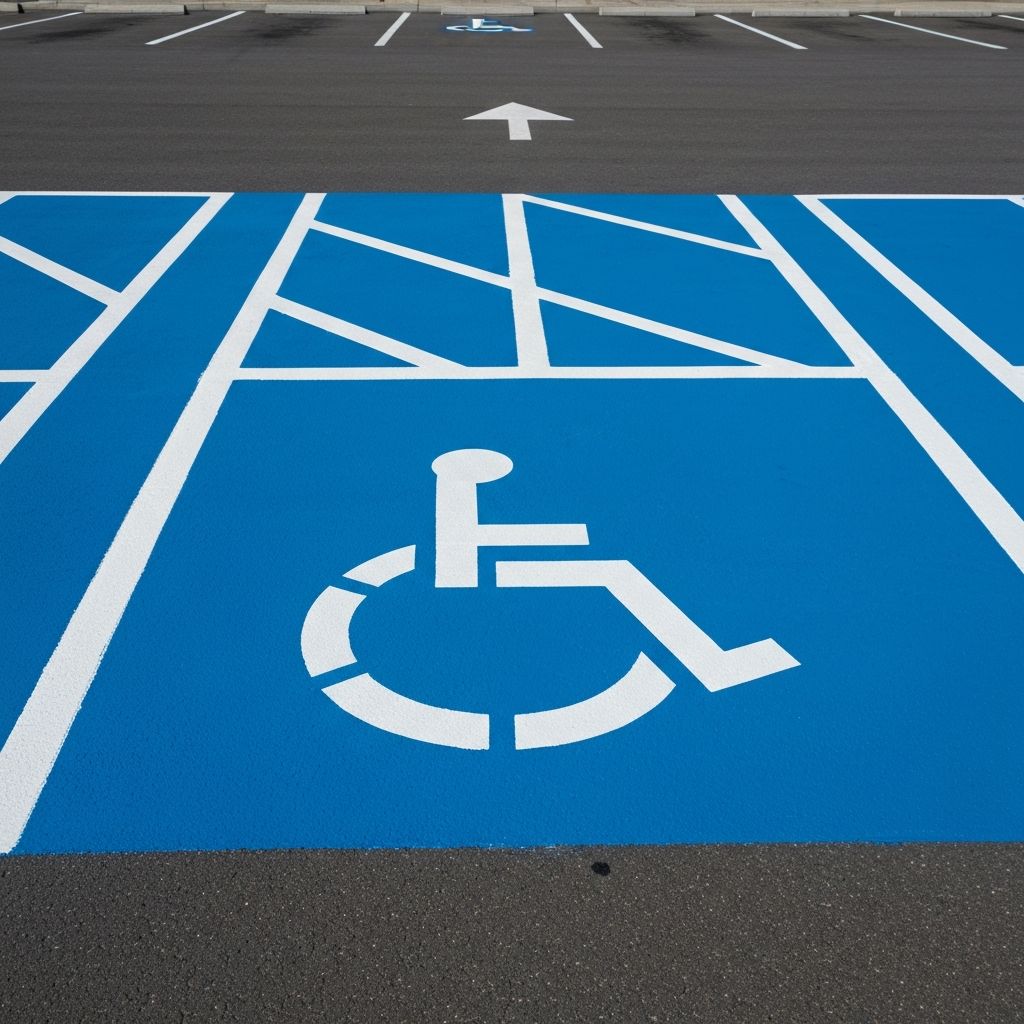
Both paint and thermoplastic can be used for ADA compliant markings including handicap stalls, access aisles, ADA symbols, and van-accessible markings. Thermoplastic is often preferred for ADA markings because of its longer lifespan, better visibility, and reduced maintenance requirements. However, paint is still widely used and fully compliant when properly maintained.
Maintenance Requirements
Paint striping maintenance: annual restriping recommended, touch-ups every 6–12 months, more frequent in heavy traffic areas. Thermoplastic maintenance: minimal maintenance required, occasional touch-ups only, much longer maintenance intervals. This makes thermoplastic appealing for large properties where scheduling maintenance is disruptive.
Environmental Considerations
Water-based traffic paint is environmentally friendly and commonly used today. Many municipalities prefer water-based paint because of lower emissions. Thermoplastic is also durable and reduces frequent repainting cycles, which can lower the overall environmental impact over time. Both options can be environmentally responsible depending on application and maintenance approach.
Professional Appearance
Fresh striping improves property value, safety, traffic flow, and customer experience. Thermoplastic often provides a more professional and long-lasting appearance, while paint offers flexibility and affordability. Both materials, when applied correctly, significantly elevate the appearance of a commercial property compared to faded or missing markings.
Final Verdict: Thermoplastic vs Paint
Choose paint if: - You want lower upfront costs - You plan regular maintenance cycles - You expect layout changes in the near term - Traffic is moderate Choose thermoplastic if: - You want maximum durability - Traffic is heavy - You want long-term cost savings over multiple years - You want premium appearance with reflective visibility
Get Professional Parking Lot Striping
Whether you choose paint or thermoplastic, professional striping improves safety, organization, and property appearance. A qualified striping contractor can evaluate your parking lot and recommend the best solution based on traffic volume, budget, and long-term goals. If your parking lot lines are faded, difficult to see, or outdated, now is the perfect time to upgrade your striping and improve your property's appearance and safety.
Surface Preparation: The Step That Determines How Long Either Material Lasts
Neither paint nor thermoplastic bonds well to a contaminated surface. Before any striping job — paint or thermoplastic — the lot should be professionally swept to remove oil residue, grit, sand, and debris. This is especially critical for thermoplastic, which requires clean, dry asphalt for proper thermal adhesion. Parking Lot Sweeping Pros provides professional parking lot sweeping services and can schedule ahead of your striping appointment to ensure the surface is properly prepared.
Need Parking Lot Striping?
Get fast, professional striping services today.
Related Articles

ADA Compliance Parking Lot Guide (2025)
Learn ADA parking lot striping requirements, dimensions, and compliance rules to avoid fines.

Parking Lot Striping Cost Guide (2025)
How much does parking lot striping cost? Learn pricing factors and average costs.

Signs Your Parking Lot Needs New Striping
Faded parking lot lines? Learn when it's time to restripe your parking lot.