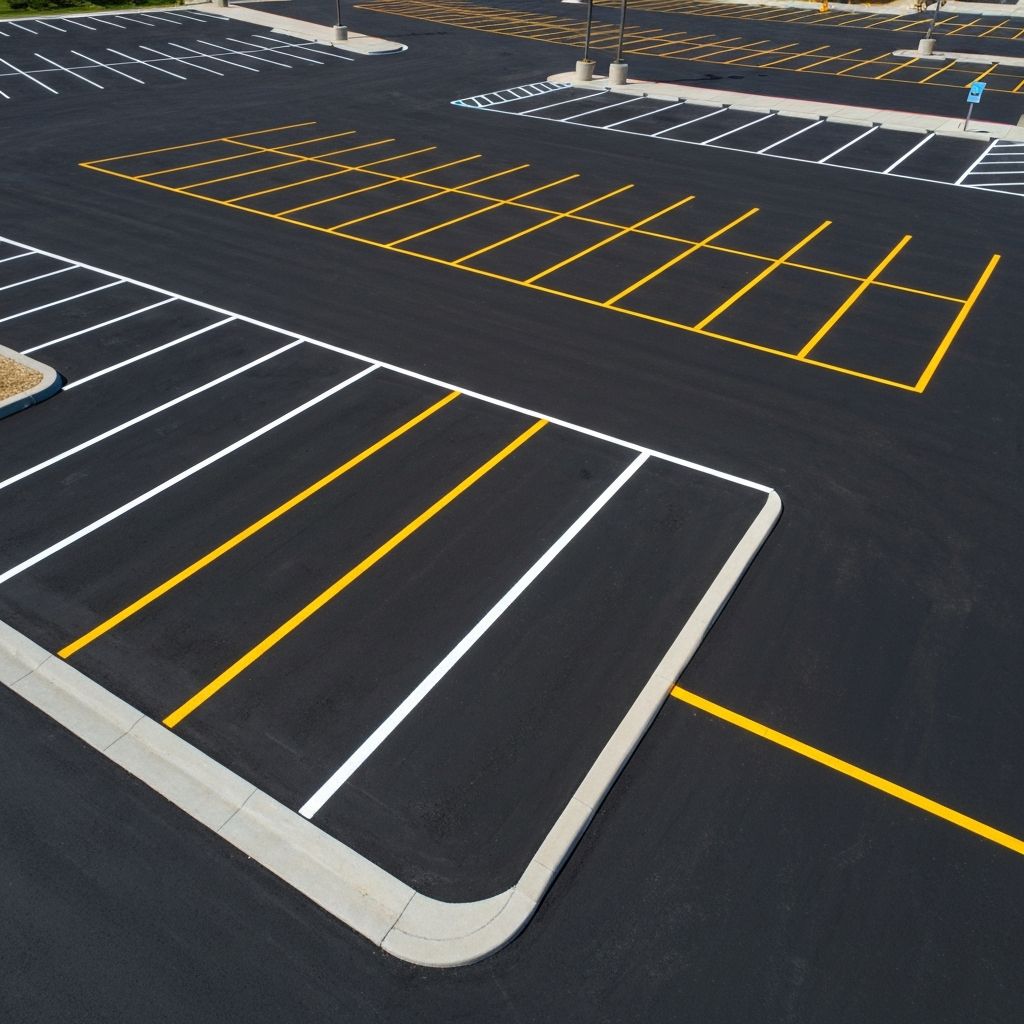
Parking lot striping plays a crucial role in maintaining safety, organization, and efficiency in any commercial property. Clear markings guide drivers, define parking spaces, and help ensure compliance with safety regulations. However, over time, these markings naturally wear down due to traffic, weather, and general use.
Many property owners and managers overlook striping maintenance until it becomes a visible problem. Recognizing the early signs that your parking lot needs new striping can help you avoid safety issues, improve traffic flow, and maintain a professional appearance. In this guide, we will explore the most important signs that indicate it is time to restripe your parking lot.
Faded Parking Lines
One of the most obvious signs that your parking lot needs new striping is faded or barely visible parking lines. Over time, exposure to sunlight, rain, and vehicle traffic causes paint to lose its brightness and clarity.
When parking lines become difficult to see, drivers may struggle to park correctly. This can lead to uneven spacing, reduced parking capacity, and increased frustration for customers. In busy commercial environments, faded lines can create confusion and slow down traffic flow.
Regular restriping ensures that parking spaces remain clearly defined and easy to identify, improving both efficiency and safety.
Confusing Traffic Flow
Directional arrows and lane markings are essential for guiding vehicles through a parking lot. When these markings fade or disappear, drivers may not know where to go, leading to confusion and potential accidents.
Poor traffic flow can result in congestion, especially during peak hours. Vehicles may move unpredictably, increasing the risk of collisions or near misses.
If customers or employees frequently have trouble navigating your parking lot, it may be time to update the striping to restore clear traffic patterns.
Difficulty Identifying Parking Spaces
When striping fades, it becomes harder for drivers to distinguish individual parking spaces. This can lead to inefficient use of space, with vehicles parked too close together or at improper angles.
In some cases, drivers may create their own parking patterns, further reducing the number of usable spaces. This is particularly problematic for businesses that rely on high customer traffic, as limited parking availability can negatively impact revenue.
Fresh striping helps maximize the number of parking spaces and ensures consistent spacing throughout the lot.
Fading Accessibility Markings
Accessible parking spaces must be clearly marked to comply with regulations and provide proper access for individuals with disabilities. When handicap symbols and access aisle markings begin to fade, the parking lot may no longer meet compliance standards.
This can result in fines, legal issues, and a negative experience for customers who rely on accessible parking. Maintaining clear and visible accessibility markings is essential for both compliance and inclusivity.
Regular inspections can help identify when these markings need to be refreshed.
Worn Fire Lane Markings
Fire lanes are critical for ensuring that emergency vehicles have clear access to buildings. These areas must be clearly marked and free of obstructions at all times.
When fire lane markings fade or become difficult to read, it can create safety risks and potential violations of local regulations. In emergency situations, unclear markings can delay response times and increase the risk of damage or injury.
Repainting fire lanes as soon as they begin to fade helps maintain safety and compliance.
Chipped or Peeling Paint
In addition to fading, parking lot striping can deteriorate in other ways. Chipped or peeling paint is a clear sign that the markings are no longer effective.
This type of damage often occurs due to weather exposure, poor surface preparation, or heavy traffic. Once paint begins to chip or peel, it can quickly worsen, making the markings even harder to see.
Addressing this issue early with fresh striping helps restore visibility and prevent further deterioration.
Changes in Traffic Patterns
Over time, the way a parking lot is used may change. New businesses, increased traffic, or modifications to the property layout can all impact traffic patterns.
If your current striping no longer reflects how the parking lot is used, it may be time to redesign and restripe the layout. Updating markings to match current needs improves efficiency and reduces confusion.
This is especially important for growing businesses or properties that experience seasonal fluctuations in traffic.
Poor First Impression
Your parking lot is often the first thing customers see when they visit your business. Faded or poorly maintained striping can make the property appear neglected, even if the building itself is well-maintained.
A clean, clearly marked parking lot creates a positive first impression and reflects professionalism. It shows that the business cares about safety, organization, and customer experience.
Investing in fresh striping is a simple way to enhance curb appeal and improve overall perception.
Increased Customer Complaints
Customer feedback can be a valuable indicator of parking lot issues. If visitors frequently complain about difficulty finding parking spaces, navigating the lot, or identifying accessible areas, it may be due to worn striping.
Listening to these concerns and addressing them promptly helps improve customer satisfaction and prevents potential problems from escalating.
Regular maintenance ensures that the parking lot remains easy to use and welcoming for all visitors.
Impact on Safety
Faded or damaged striping can create safety hazards for both drivers and pedestrians. Without clear markings, vehicles may not follow proper traffic patterns, increasing the risk of accidents.
Pedestrian walkways and crosswalks also rely on visible markings to guide foot traffic safely. When these markings fade, pedestrians may be at greater risk, especially in busy parking areas.
Maintaining clear striping helps reduce accidents and creates a safer environment for everyone.
Cost of Delaying Restriping
Delaying parking lot striping maintenance can lead to higher costs in the long run. When markings are completely worn away, it may require more extensive work to restore them, including layout redesign and additional preparation.
Regular maintenance is typically more cost-effective, as it allows for simple repainting rather than full reconstruction of markings.
By addressing issues early, businesses can save money and avoid more complex repairs.
How Often Should You Inspect Your Parking Lot?
Regular inspections are essential for identifying when restriping is needed. Property managers should check parking lot markings at least once or twice per year, depending on traffic levels and environmental conditions.
Inspections should focus on visibility, surface condition, and compliance with regulations. Keeping a maintenance schedule helps ensure that issues are addressed promptly.
Best Practices for Maintaining Striping
To extend the lifespan of parking lot striping, businesses should follow best practices such as keeping the surface clean, repairing asphalt damage, and using high-quality materials.
Scheduling striping during optimal weather conditions also improves durability. Working with experienced contractors ensures that the job is done correctly and meets all necessary standards.
Conclusion
Recognizing the signs that your parking lot needs new striping is essential for maintaining safety, efficiency, and a professional appearance. From faded lines and confusing traffic flow to compliance issues and customer complaints, there are many indicators that it is time to take action.
Regular maintenance and timely restriping help prevent problems, reduce costs, and improve the overall experience for customers and employees. By staying proactive, businesses can ensure that their parking lots remain safe, organized, and visually appealing.
Ultimately, investing in parking lot striping is an investment in safety, functionality, and the long-term success of your property.
