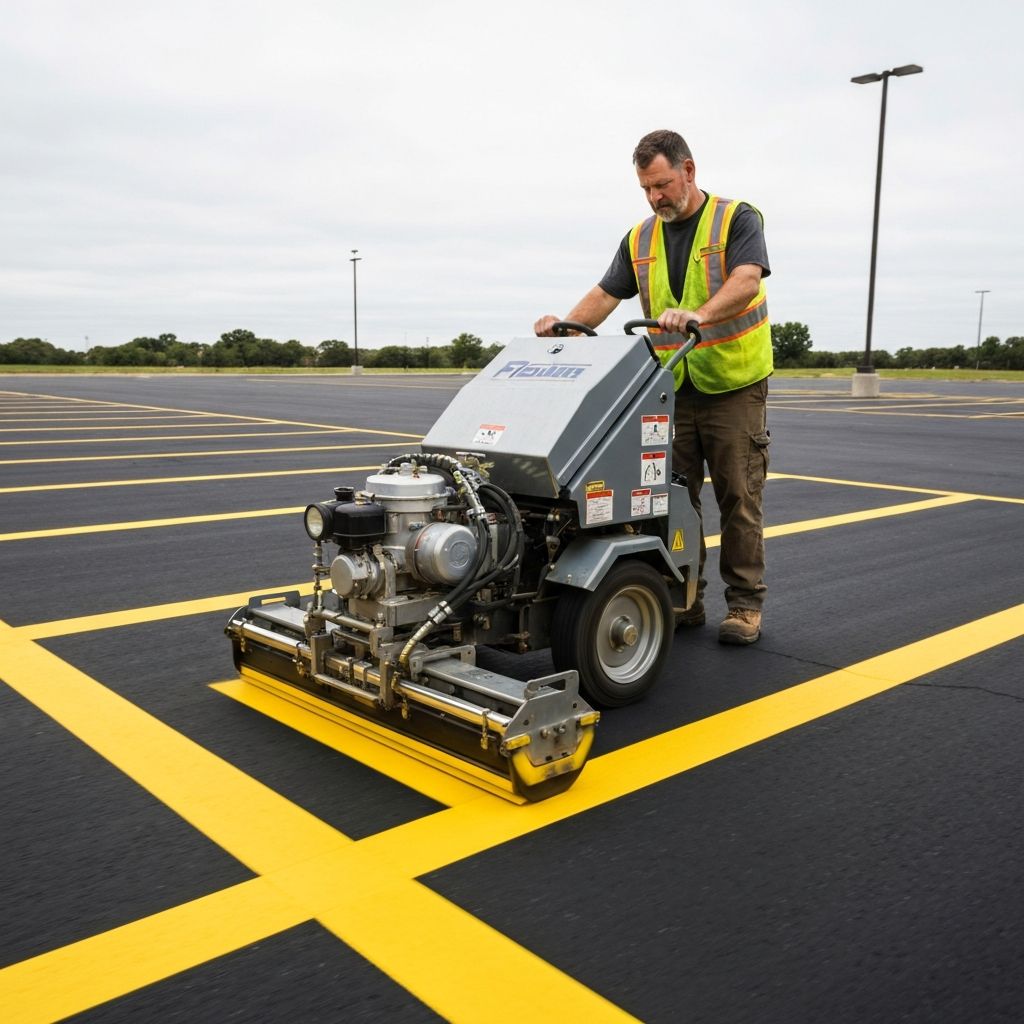
Parking Lot Striping Cost for Businesses: Complete Pricing Guide
Back to BlogMaintenance

Parking Lot Striping Cost for Businesses: Complete Pricing Guide

February 20, 20264 min read

Parking lot striping is a critical part of maintaining a safe, organized, and professional commercial property. While it may seem like a simple maintenance task, striping plays a major role in traffic flow, space optimization, and regulatory compliance. One of the most common questions property owners and managers ask is: how much does parking lot striping cost?

Understanding the cost of parking lot striping helps businesses plan budgets, avoid unexpected expenses, and make better decisions about maintenance schedules. In this guide, we will break down the factors that influence pricing, typical costs, and ways to maximize value from your investment.

Average Cost of Parking Lot Striping

The cost of parking lot striping varies depending on the size and complexity of the project. For small commercial parking lots, prices typically range from $300 to $1,500. Medium-sized lots may cost between $1,500 and $3,000, while large properties such as shopping centers, warehouses, or office complexes can exceed $5,000.

These estimates depend on the number of parking spaces, the type of markings required, and the condition of the asphalt surface. Simple restriping projects are generally more affordable, while new layouts or extensive reconfiguration can increase costs significantly.

Cost Per Parking Space

One common pricing method used by contractors is cost per parking space. On average, striping one parking space can cost between $4 and $10. This includes painting the lines and ensuring proper spacing.

However, additional features such as handicap symbols, directional arrows, fire lanes, and loading zones are usually priced separately. These elements require more time and precision, which increases the overall cost of the project.

Key Factors That Affect Pricing

Several factors influence the final cost of parking lot striping. Understanding these variables can help businesses estimate expenses more accurately.

### Size of the Parking Lot

The total square footage of the parking lot is one of the most significant factors. Larger lots require more paint, labor, and time to complete, resulting in higher costs.

### Number of Parking Spaces

The more parking spaces a lot has, the more striping work is required. Each space must be measured and painted precisely to ensure consistency and compliance with regulations.

### Type of Markings

Standard parking lines are relatively simple to apply, but additional markings such as ADA-compliant spaces, arrows, and fire lanes require extra effort. These elements increase both labor time and material usage.

### Surface Condition

The condition of the asphalt plays a major role in pricing. If the surface is cracked, uneven, or damaged, additional preparation work may be necessary before striping can begin. This can include cleaning, patching, or sealcoating.

### Removal of Old Markings

If the parking lot layout needs to be changed, old markings may need to be removed. This process can involve grinding or chemical removal, which adds to the overall cost.

Surface Preparation Costs

Proper surface preparation is essential for achieving long-lasting striping results. Before applying paint, contractors typically clean the asphalt to remove dirt, oil, and debris. This ensures that the paint adheres properly and reduces the likelihood of premature wear.

In some cases, additional preparation steps such as pressure washing or sealcoating may be required. While these services increase upfront costs, they can significantly extend the lifespan of the striping and improve overall durability.

Types of Striping Materials

The type of material used for striping also affects pricing. There are two main options: standard paint and thermoplastic markings.

### Standard Paint

Water-based or oil-based paint is the most common and affordable option. It provides good visibility and is suitable for most commercial applications. However, paint tends to wear out more quickly, especially in high-traffic areas.

### Thermoplastic Markings

Thermoplastic materials are more durable and long-lasting than paint. They are applied using heat, which creates a strong bond with the asphalt surface. While thermoplastic markings cost more upfront, they can last three to four times longer, making them a cost-effective option for busy areas.

Labor Costs

Labor is another major component of parking lot striping costs. Professional contractors use specialized equipment to ensure accurate and consistent results. The complexity of the project, including the number of markings and layout design, directly impacts labor time and cost.

Hiring experienced professionals may cost more initially, but it helps ensure that the work is completed correctly and meets all safety and regulatory requirements.

Cost of Compliance and Regulations

Parking lots must comply with various local and federal regulations, including ADA requirements for accessible parking spaces. Ensuring compliance often involves additional markings, signage, and spacing considerations.

Failing to meet these requirements can result in fines or legal issues, making it essential to include compliance costs in your budget. Professional contractors are typically familiar with these regulations and can help ensure that your parking lot meets all necessary standards.

Cost-Saving Tips

Businesses can reduce parking lot striping costs by following a few key strategies. One of the most effective is scheduling regular maintenance. Restriping before markings completely fade is usually more affordable than repainting a neglected lot from scratch.

Choosing the right materials for specific areas can also help save money. For example, using thermoplastic markings in high-traffic zones and standard paint in less-used areas provides a balance between cost and durability.

Another way to reduce costs is to combine striping with other maintenance services such as sealcoating. Performing multiple services at the same time can lower overall labor costs and minimize disruption to business operations.

Long-Term Value of Parking Lot Striping

While parking lot striping represents an ongoing expense, it provides significant long-term value. Clear markings improve safety, reduce the risk of accidents, and enhance the overall appearance of the property.

Well-maintained parking lots also create a positive impression for customers and visitors. A clean, organized parking area reflects professionalism and attention to detail, which can influence customer perception and satisfaction.

When to Schedule Striping

Timing is an important factor in achieving the best results. Striping should be scheduled during favorable weather conditions, typically when temperatures range between 50°F and 85°F with low humidity. These conditions allow the paint to dry properly and adhere effectively to the asphalt.

Businesses should also consider scheduling striping during off-peak hours or periods of low activity to minimize disruption. Planning ahead can help ensure a smooth process and reduce inconvenience for customers and employees.

Conclusion

Parking lot striping costs vary depending on several factors, including the size of the lot, the type of markings, and the condition of the surface. By understanding these variables, businesses can make informed decisions and plan their maintenance budgets effectively.

Investing in professional striping services and high-quality materials can provide long-lasting results and reduce the need for frequent repairs. Regular maintenance not only improves safety and organization but also enhances the overall appearance of the property.

Ultimately, parking lot striping is a valuable investment that supports business operations, protects customers, and ensures compliance with regulations. By staying proactive and planning ahead, property owners can maximize the value of their parking lot maintenance efforts.

Need professional striping services?

Our team is ready to help with your parking lot project.